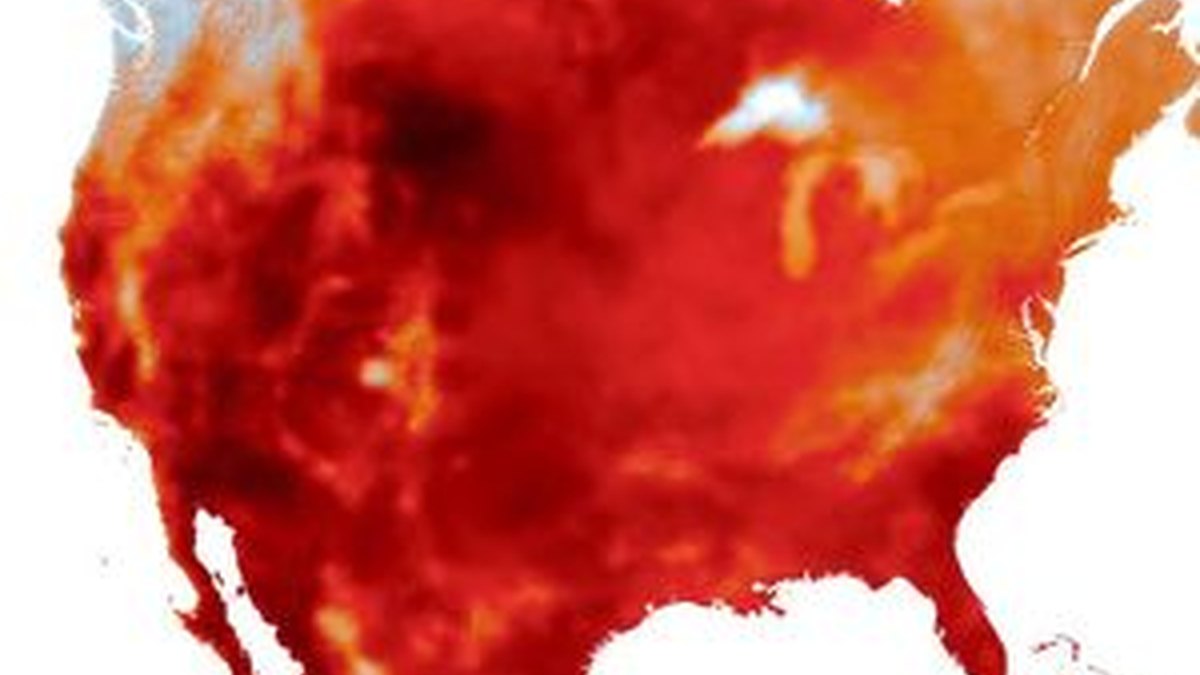
Western Europe endured five distinct heat waves between May and mid-August 2026, with temperatures repeatedly exceeding 40 degrees Celsius across wide areas, NASA reported.
NASA tracked daily maximum surface air temperatures using its Goddard Earth Observing System global model combined with satellite observations. The modeling showed intense heat persisting for days and weeks across the continent. Regional meteorological agencies recorded widespread temperature records starting in late spring. London reached 35.1°C on May 26, surpassing its previous May record by 2.3°C, according to the UK Met Office. Bordeaux recorded 42.5°C on June 24 after breaking maximum temperature records on three consecutive days, Météo-France reported. Slovakia set new national records for daytime and nighttime highs in August, while Europe's Copernicus climate monitoring service confirmed that combined June and July temperatures in Western Europe were the highest on record.
Infrastructure and health impact
The heat buckled highways and railway tracks, forced road closures, and worsened severe droughts that dropped river levels and disrupted agriculture, water supplies, and transportation routes. Large wildfires spread across areas where blazes were previously rare. Preliminary reports cited by NASA indicated that the heat may have contributed to roughly 10,000 excess deaths, including thousands of people across the United Kingdom, France, Germany, and Belgium.
International Energy Agency data highlighted infrastructure differences, showing that 23 percent of European homes have air conditioning, compared to 90 percent in the United States. Researchers noted that this equipment gap, combined with sustained nighttime heat and limited urban green space, increased the incidence of heat exhaustion and heatstroke.
Demographic vulnerabilities
World Health Organization figures indicate that heat stress causes roughly 489,000 deaths globally each year, with Europe accounting for 36 percent of the total and Asia representing 45 percent. Boston University sociologist Deborah Carr noted that temperatures as low as 26.7°C (80°F) pose significant danger for older adults with existing medical conditions, particularly at night in homes without cooling systems.
A study led by Stanford researcher Qinqin Kong and published in *Lancet Planetary Health* in August 2026 projected that safe human heat thresholds will be breached frequently in coming decades. The study concluded that these environmental limits will fall disproportionately on aging populations, including communities across Southern Europe.