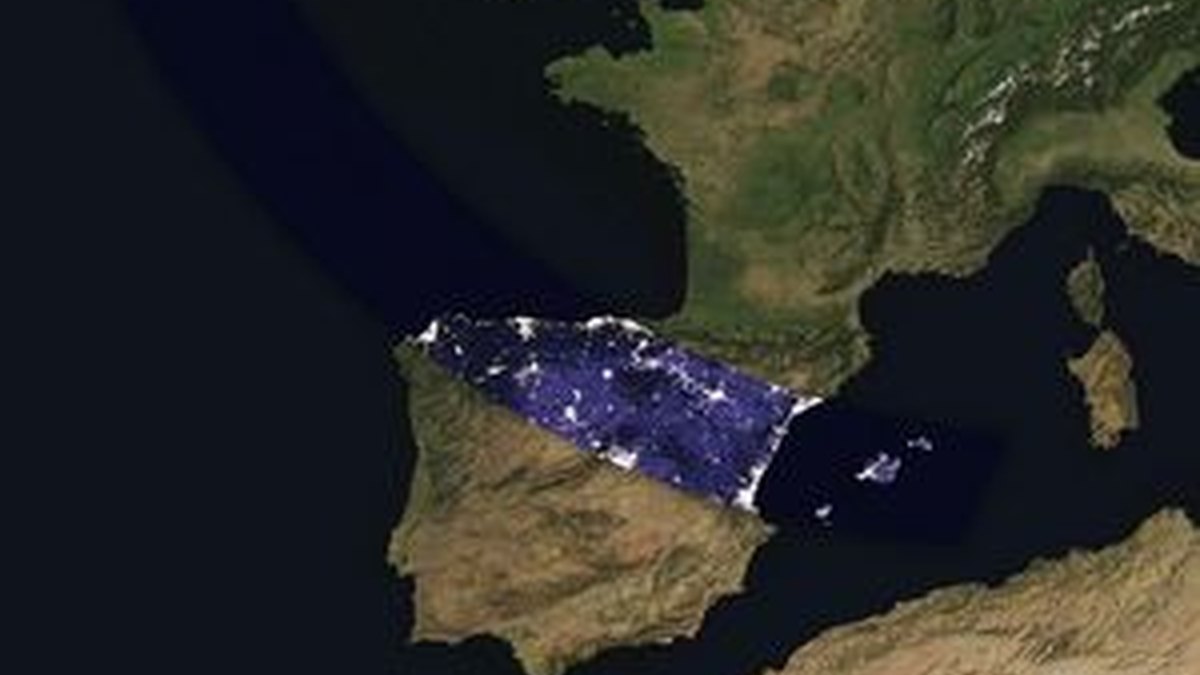
A total solar eclipse crossed northern Spain on August 12, 2026, as the Moon aligned directly between the Sun and Earth, NASA reported. Northern Spain, Greenland, and parts of Iceland were the only land areas situated within the path of totality.
Sunset approached as the Moon’s shadow swept across the region. In the northwestern Spanish city of León, the partial eclipse began at 7:32 p.m. local time, followed by approximately two minutes of totality starting at 8:28 p.m. The partial phase ended at 9:22 p.m., minutes before the Sun sank below the horizon. Farther east in Spain, the Sun set before the eclipse concluded.
Observations during totality captured a solar prominence extending into the Sun's outer atmosphere, or corona. The structure consisted of super-hot plasma—composed primarily of ionized hydrogen and helium—flowing along twisted magnetic field lines. Solar prominences can reach heights many times the diameter of Earth.
NASA staged research teams in Iceland to pursue the Moon’s shadow aboard a WB-57 high-altitude jet, collecting visible and infrared imagery of the corona. In tandem, the NASA-supported Nationwide Eclipse Ballooning Project released scientific balloons before, during, and after the event to record atmospheric changes caused by the temporary loss of sunlight.
Partial views of the eclipse were visible across the remainder of Europe, as well as sections of Africa, Canada, and the United States. NASA confirmed that the next total solar eclipse will take place on August 2, 2027, with totality passing over southern Spain, North Africa, Saudi Arabia, and Yemen.