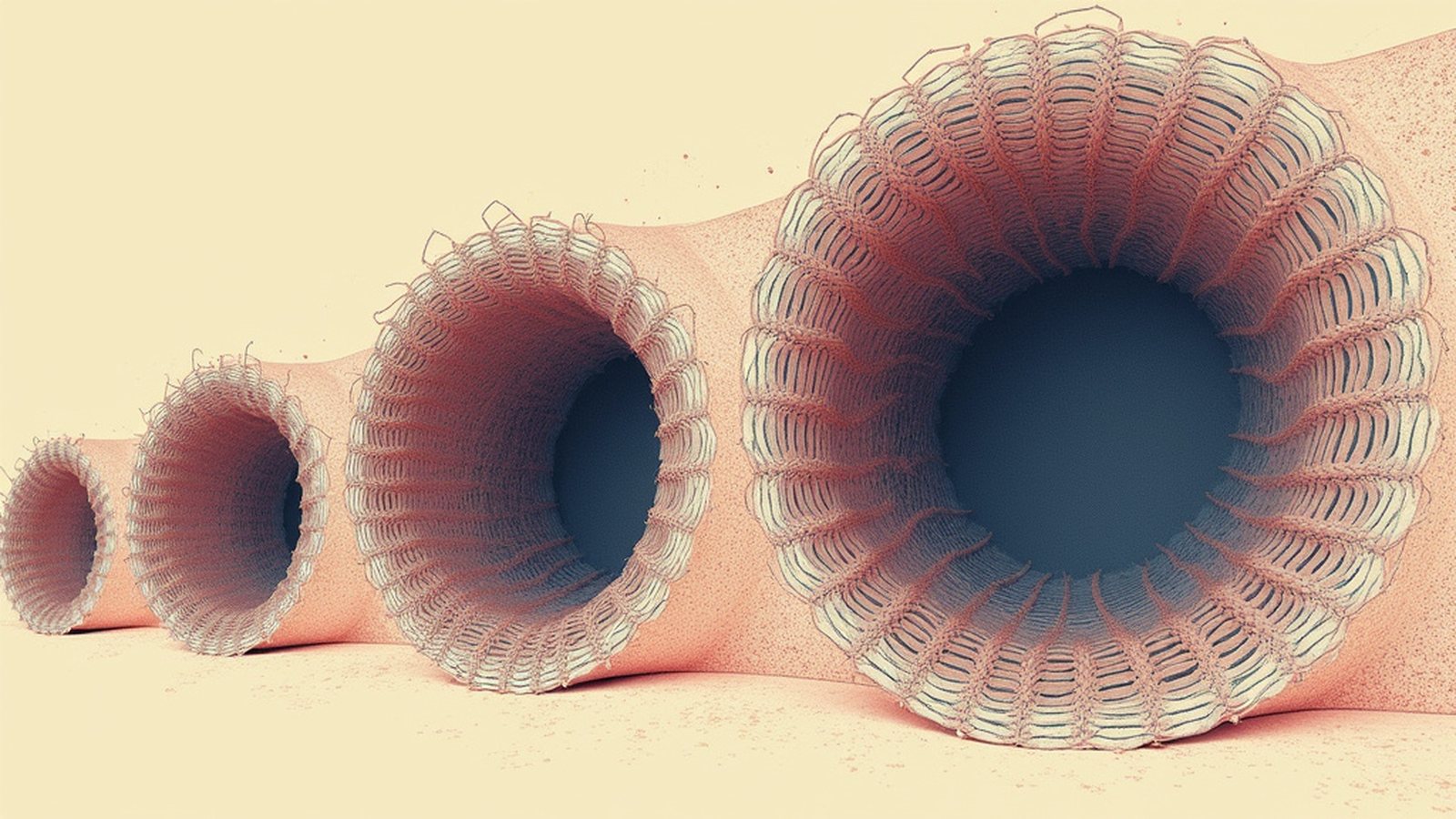
Molecular simulations have revealed how lipid nanoparticles fuse with endosomal membranes to release nucleic acid payloads, according to a study published in Nature Communications on August 13, 2026.
Lipid nanoparticles deliver nucleic acids for RNA vaccines and gene therapies, but incomplete endosomal escape restricts overall delivery efficiency. While experimental work had previously shown that membrane disruption enables cytosolic release, the underlying molecular process remained poorly understood.
Researchers identified multiple membrane fusion pathways, showing that a stalk-pore mechanism serves as the dominant route. In the simulations, ionizable lipids transfer directly from the lipid nanoparticle into the target membrane. This movement promotes the reorientation of nucleic acids and drives the formation and subsequent expansion of the stalk structure.
The study determined that lipid shape, pH sensitivity, membrane tension, and nucleic acid encapsulation act as the decisive molecular factors controlling endosomal escape efficiency.
Akhil Pratap Singh and Kana Shibata contributed equally as lead authors, collaborating with Yusuke Miyazaki and Wataru Shinoda across Okayama University, Nagoya University, and the Motilal Nehru National Institute of Technology Allahabad. Computational work relied on supercomputer facilities at the University of Tokyo's Institute for Solid State Physics and the Research Center for Computational Science in Okazaki, with funding support from JSPS KAKENHI grants.