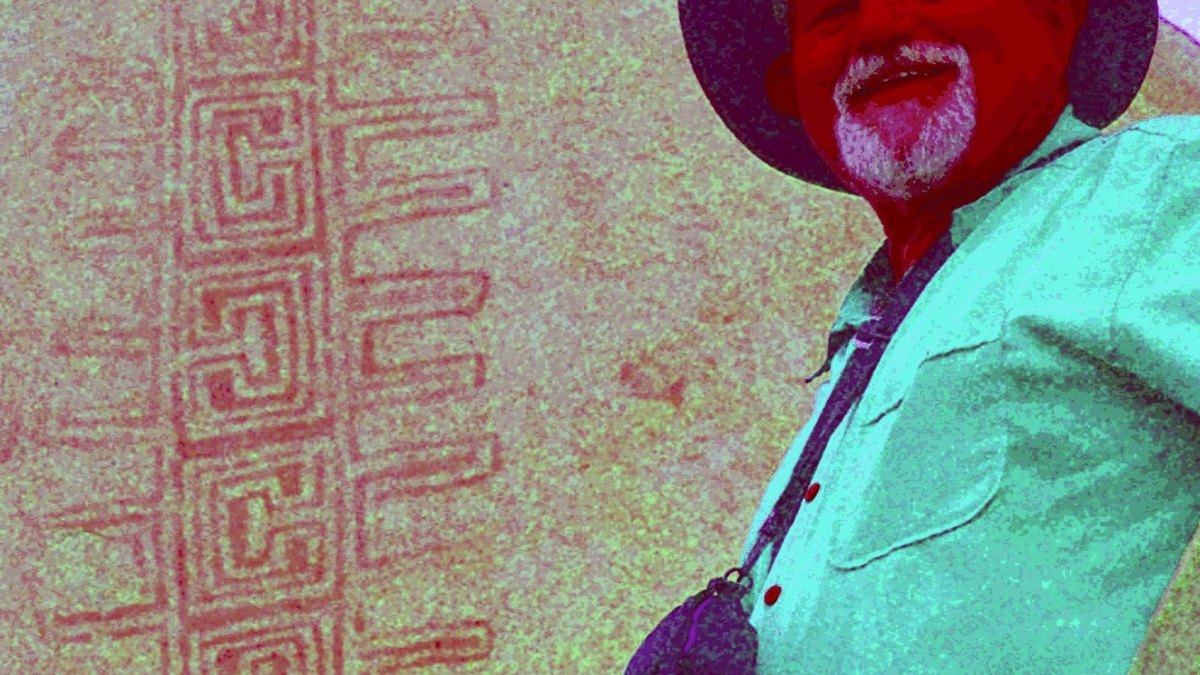
Archaeologists are uncovering invisible ancient artwork and buried structures using an image processing algorithm originally developed at NASA’s Jet Propulsion Laboratory, according to reporting from NASA.
Between 2010 and 2012, an archaeologist applied the method at Cambodia’s Angkor Wat temple complex, discovering roughly 200 faded paintings throughout the site. The findings included depictions of horseback riders and a traditional musical ensemble painted high in the central tower, which had faded to the point of invisibility to daily visitors.
The technique, known as decorrelation stretch, heightens contrasts in digital imagery to make faint visual features easier to spot. A former supervisor at JPL coinvented the process, and JPL employee Ronald Alley detailed the algorithm in a 1996 paper while developing applications for the Advanced Spaceborne Thermal Emission and Reflection Radiometer, a Japanese instrument aboard NASA’s Terra satellite.
Jon Harman, a retired medical imaging specialist and rock art enthusiast based in Pacifica, California, adapted the algorithm for archaeology after viewing decorrelation-stretched NASA images of the Martian surface around 2005. Harman located Alley’s paper online and coded a plug-in named Dstretch for ImageJ, an open-source image analysis tool created by the National Institutes of Health. During early testing on an image from the Cave of San Borjitas in Baja California, Mexico, the software revealed a previously obscured yellow figure in the center of the picture.
Harman fulfills about 200 requests for Dstretch each year. Around 2010, Harman built smartphone applications that mimic the decorrelation stretch process through a shortcut algorithm, drawing thousands of downloads alongside published research validating the software’s archaeological use.
Researchers have deployed Dstretch to clarify rock imagery beneath a cliff in Norway, inside an Egyptian tomb, and across a park in Canada. Beyond rock art, archaeologists have used the algorithm to examine tattoos preserved on mummified human remains and locate the buried footprints of ancient Greek buildings.