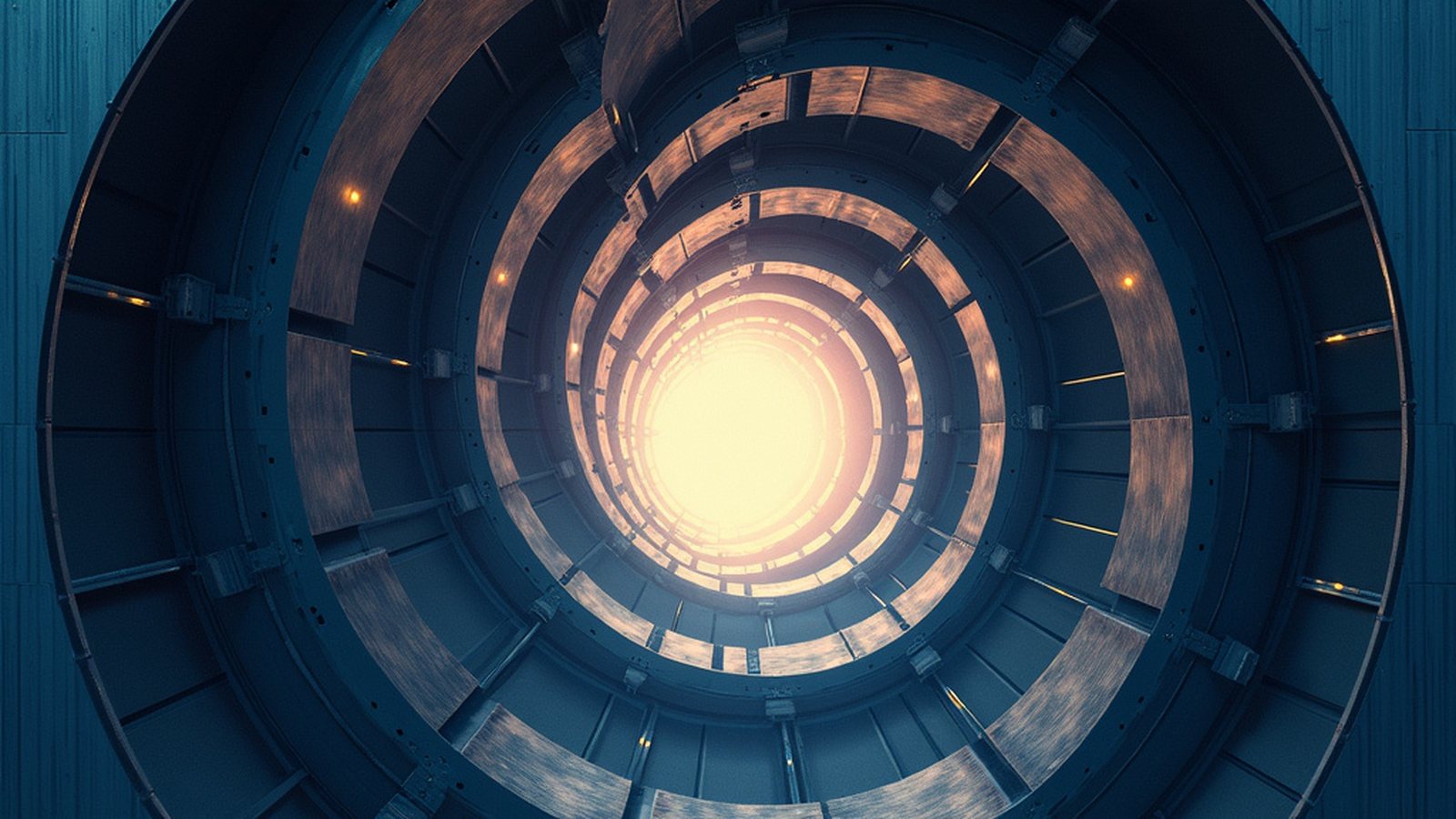
NASA opened the Flight Dynamics Research Facility on Friday at the Langley Research Center in Hampton, Virginia. The site represents the agency's first major new wind tunnel in more than 40 years.
Built to test aircraft, rockets, drones, and space capsules, the 25,000-square-foot building replaces two older wind tunnels: the 20-Foot Vertical Spin Tunnel and the 12-Foot Low-Speed Tunnel. The new facility offers expanded testing capabilities, including free-flight and mounted scale-model tests.
Facility specifications
The facility features a vertical wind tunnel with a 20-foot diameter test chamber. This expanded size allows more air to move around test models, improving data accuracy and accommodating larger, more detailed scale vehicles.
Power for the tunnel comes from four 750-horsepower motors. Each motor connects to an eight-bladed, 14-foot fan made of lightweight carbon fiber, allowing operators to make fast airspeed adjustments during free-flight testing. The wind tunnel reaches top speeds of 117 miles per hour, twice the velocity of the legacy tunnels it replaces.
Campus integration and management
The U.S. General Services Administration constructed the installation through a joint effort with NASA. It is the fourth new building delivered to NASA under Langley's 20-year campus revitalization plan, designed to lower maintenance costs and improve energy efficiency.
Management of the installation falls under the Aerosciences Evaluation and Test Capabilities portfolio within the Aeronautics Division of NASA's Research and Technology Mission Directorate. Research at the site will support X-plane development, commercial aircraft safety, and vehicle entry designs for the Artemis lunar program and future atmospheric flight to Mars.
