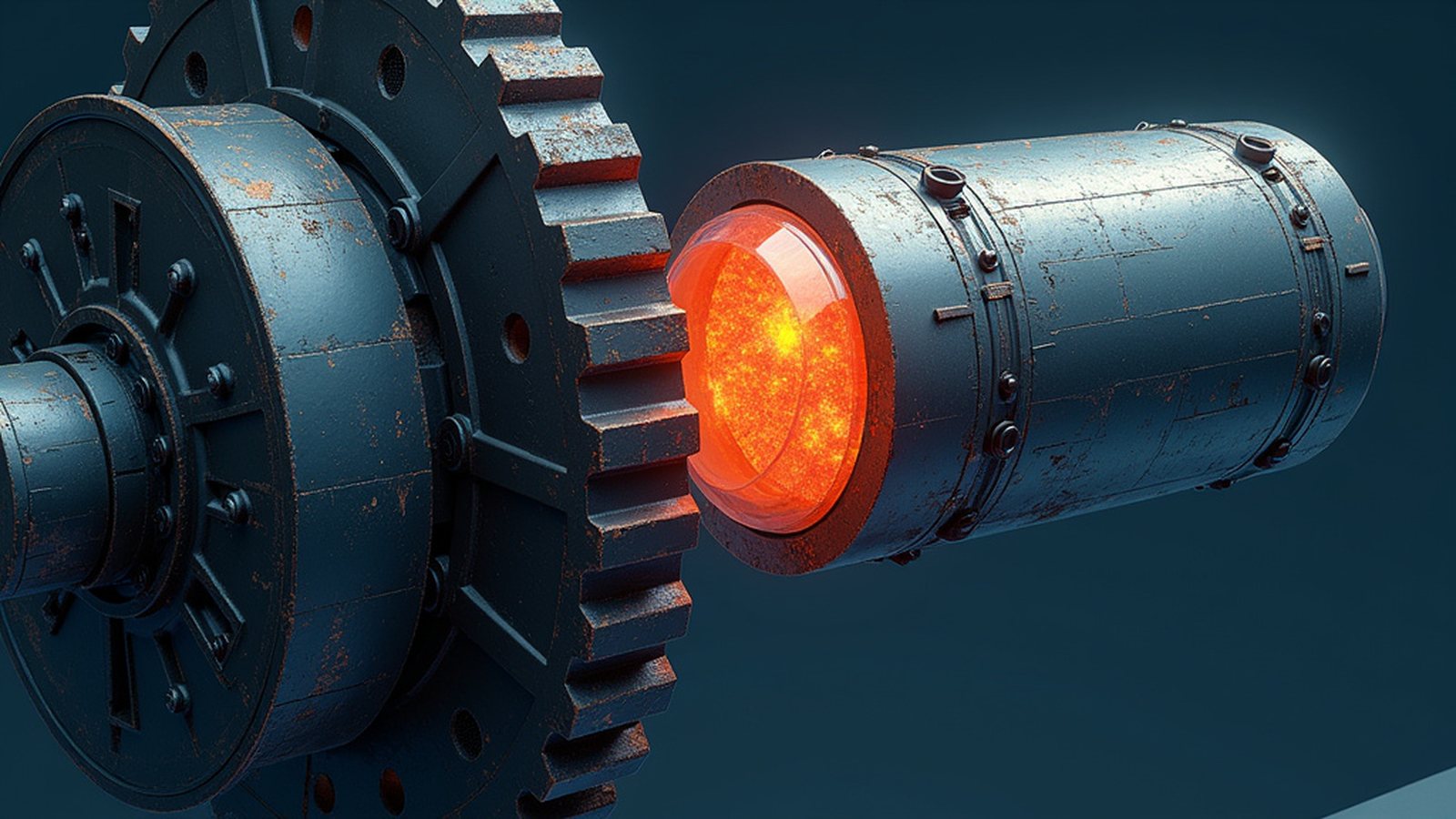
Nuclear microreactors engineered to fit inside shipping containers or transport aircraft could supply continuous energy to remote locations for up to a decade without refuelling, according to reporting published by Nature. Proponents of the systems state that the compact units could be built in factories, loaded with ten years of fuel at production, and shipped directly to regions where local electricity generation is expensive.
Advocates point to specific deployment environments where standard electrical grid infrastructure is absent or difficult to construct. These settings include rural Alaska, off-grid mining sites, and extraterrestrial bases. Because the microreactors are built with a compact physical footprint, proponents say operators could integrate the units directly into existing industrial facilities rather than constructing sprawling standalone power stations.
In addition to electrical output, the thermal energy generated during microreactor operations provides auxiliary utility. Industrial sites could capture the heat produced by the reactors to drive chemical production processes on location. This dual capability allows both electricity and direct process heat to be supplied from a single transportable system.
The report appeared on August 26, 2026, in volume 656 of Nature as part of the journal's Nature Outlook: Nuclear power supplement. Nature disclosed that the supplement was produced with financial support from Oklo Inc., noting that the editorial team maintained full independence in all editorial decisions related to the content.