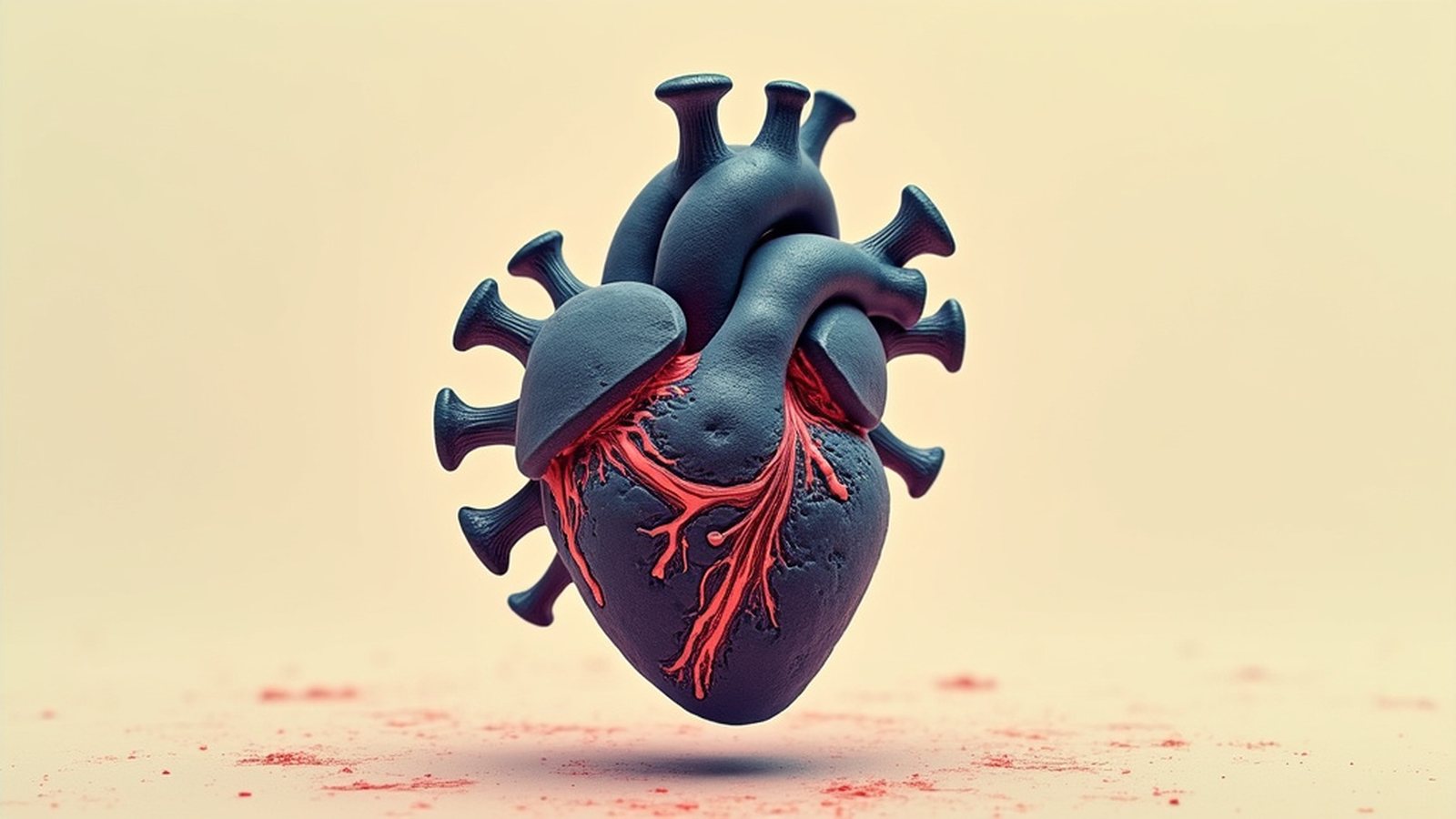
The current shingles vaccine is linked to a reduced risk of heart disease and heart failure, according to a study published in Nature Medicine and reported by Nature. The research examined medical records from more than 70,000 individuals who received either the modern vaccine or an older formulation.
Researchers analyzed electronic health records from the US database TriNetX, evaluating two groups of more than 36,000 people aged 60 and older. One cohort received Shingrix, a recombinant vaccine made from a varicella zoster virus surface protein and an immune-boosting compound. The comparison group received Zostavax, a discontinued vaccine that used a deactivated virus and was replaced by Shingrix in the United States after October 2017.
Participants who received Shingrix spent an average of 9% more time free of cardiovascular disease over a seven-year follow-up period compared to Zostavax recipients. Patients receiving the recombinant jab were also 10% less likely to be diagnosed with heart disease and 12% less likely to develop heart failure. Among men, Shingrix was associated with a 12% lower risk of stroke.
Study co-author Maxime Taquet, a psychiatrist at the University of Oxford, told Nature that prior studies comparing vaccinated and unvaccinated people introduced bias because vaccinated individuals often maintain better overall health. Comparing two distinct vaccinated groups was intended to address that baseline difference.
Emily Rayens, an epidemiologist at Kaiser Permanente in Pasadena, California, who was not involved in the study, told Nature that the results are more robust than earlier work. Rayens noted that further research is required to determine whether the vaccine directly prevents cardiovascular events, adding that researchers cannot definitively conclude that a causal link exists.