MIT anthropologist Christine Walley developed an online archive and storytelling project documenting industrial workers in Southeast Chicago, MIT announced.
The Southeast Chicago Archive and Storytelling Project displays more than 1,100 items from the Southeast Chicago Historical Museum, which opened in 1985. The digital collection includes clothing, photographs, scrapbooks, news clippings, recreational objects, and oral histories. MIT, the National Endowment for the Humanities, and other organizations supported the project.
Walley, who heads the MIT Anthropology program, grew up in Southeast Chicago. Her father worked as a third-generation steelworker at Wisconsin Steel until the plant closed in 1980. She previously examined the regional economic collapse in her 2013 book, “Exit Zero: Family and Class in Postindustrial Chicago,” followed by an “Exit Zero” documentary directed by Chris Boebel, director of video at MIT Open Learning.
Industrial operations across Southeast Chicago and Northwest Indiana once employed 120,000 workers at their peak, operating three shifts daily across companies such as Republic Steel, Inland Steel, and U.S. Steel. U.S. Steel’s South Works mill operated from the 1800s until 1992, employing roughly 20,000 people at its height. MIT’s 12th president, Howard Johnson, grew up in the area during the Great Depression and attended Bowen High School while his father worked for U.S. Steel for 50 years.
Artifacts and workplace safety
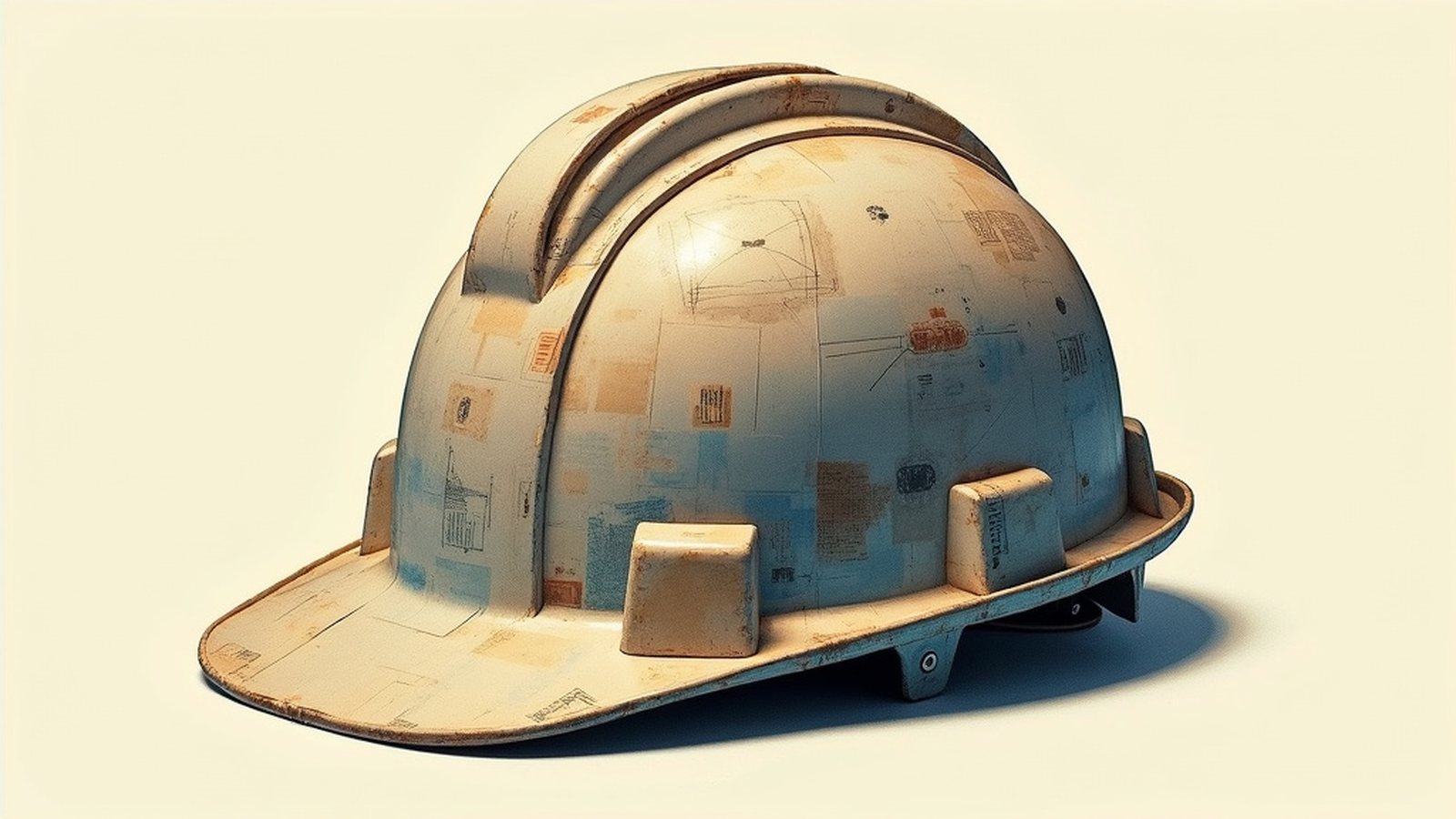
Four documentary videos in the project organize materials around scholar Sherry Turkle’s concept of evocative objects. One featured object is a hard hat made around 1986, donated by James Stapay alongside a cutting from the final steel beam produced at South Works before its 1992 closure.
Early safety records in the archive show prototype protective face gear developed by U.S. Steel around 1911 to 1912. A company safety committee recommended 3,000 operational modifications during that period. Oral histories in the archive indicate that workers routinely operated without hard hats into the 1960s, prior to safety improvements following the 1970 establishment of the Occupational Safety and Health Administration.
Photographs in the repository also document wartime labor. Welder Kitty Kalwasinski Markovich, who immigrated from Poland in 1913, began welding at South Works during World War II, when Warner Brothers photographed her in a Rosie the Riveter feature. Markovich continued working at the mill for 23 years until retiring in 1967.
Community records and labor strikes
Beyond factory floors, community records depict neighborhood institutions and sports leagues. The collection includes records of the Mayas softball team, which won a 1937 community championship, alongside the papers of Mexican-American immigrant Justino Cordero. Cordero worked electrical jobs in the mills, operated a radio shop, wrote for The Daily Calumet, and later earned graduate degrees to work with disabled children.
Labor disputes form another central part of the preserved materials. The archive contains union materials and family scrapbooks documenting the 1937 Memorial Day Massacre, when law enforcement officers killed 10 striking workers during a peaceful protest at Republic Steel, prompting congressional hearings in Washington.