New York University researchers found that variations in cellular and synaptic properties within the hypothalamus dictate baseline aggression levels across mouse strains, according to a study published in Nature Communications on August 21, 2026. The team evaluated aggressive behaviors in naïve male mice across seven genetically defined strains, identifying substantial cross-strain differences in innate competitive behavior.
The scientists observed a tight correlation between aggressiveness and anxiety levels when comparing different strains. This relationship did not appear among mice within the same individual strain, pointing to strong genetic regulation of both traits. When the team pharmacologically elevated anxiety in high-aggression strains, attack behavior decreased, establishing a causal relationship between anxiety modulation and aggression.
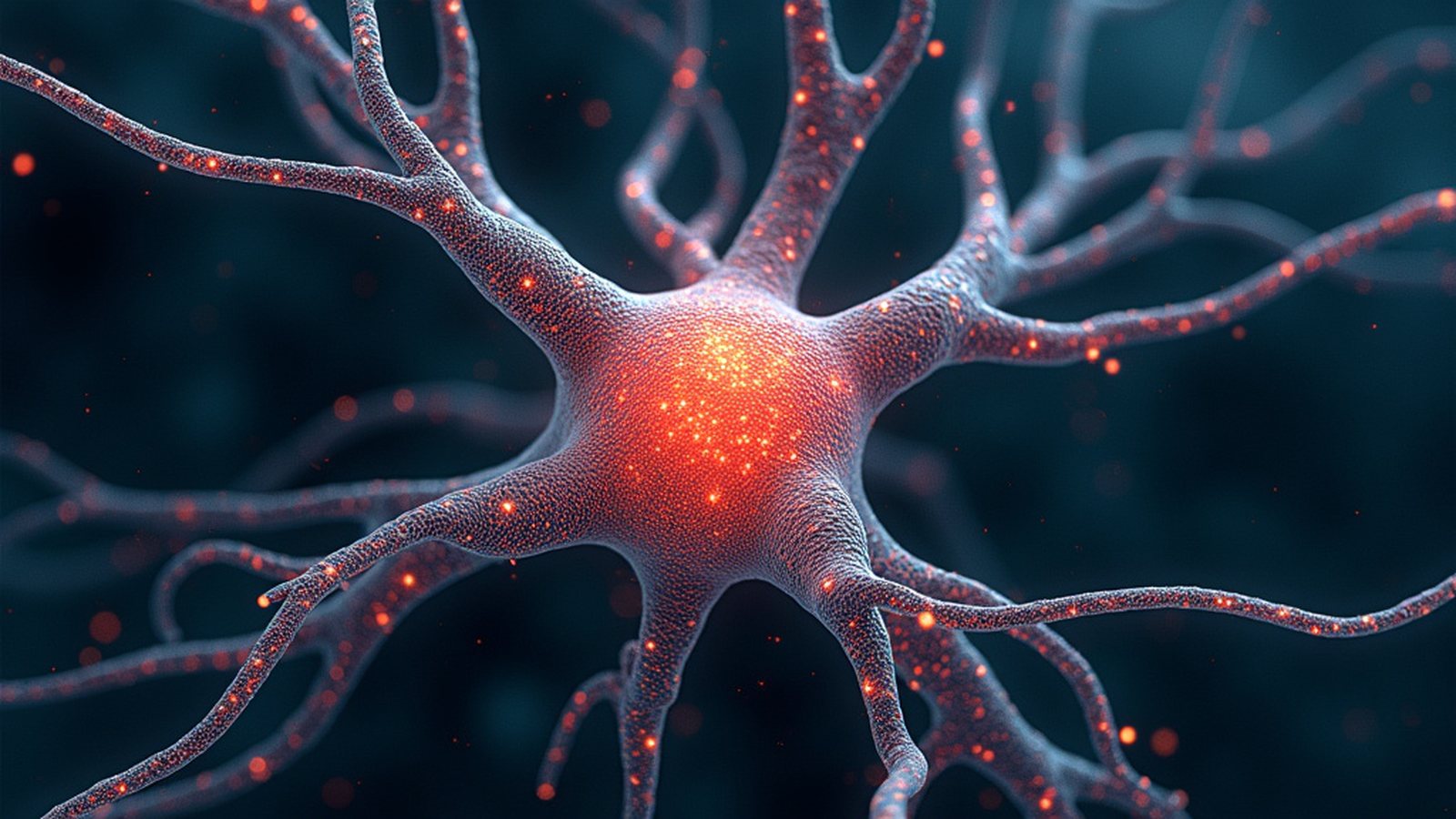
Neural measurements identified the ventrolateral ventromedial hypothalamus, known as the VMHvl, as the primary site driving these behavioral variations. Synaptic and cellular properties in VMHvl neurons largely accounted for the aggression differences across the seven strains. The researchers then used chemogenetic tools to increase VMHvl neuron excitability in a low-aggression strain, which directly enhanced attack behavior.
Dayu Lin led the project alongside co-authors Xiuzhi Dai, Yifan Wang, Takashi Yamaguchi, Michael Genecin, Eyal Rozenfeld, Prakhar Dua, Bing Dai, and Jing Cai. The research team drew from the Department of Neuroscience, the Department of Psychiatry, and the Institute of Translational Neuroscience at NYU Grossman School of Medicine, as well as NYU's Center for Neural Science. Support came from National Institutes of Health grants R01MH124927 and R01MH101377, the Brain Research Foundation, the Sumitomo Foundation, the Brain Science Foundation, the Vulnerable Brain Project, the Helen Hay Whitney Foundation, and the Levy Leon Scholarship in Neuroscience.