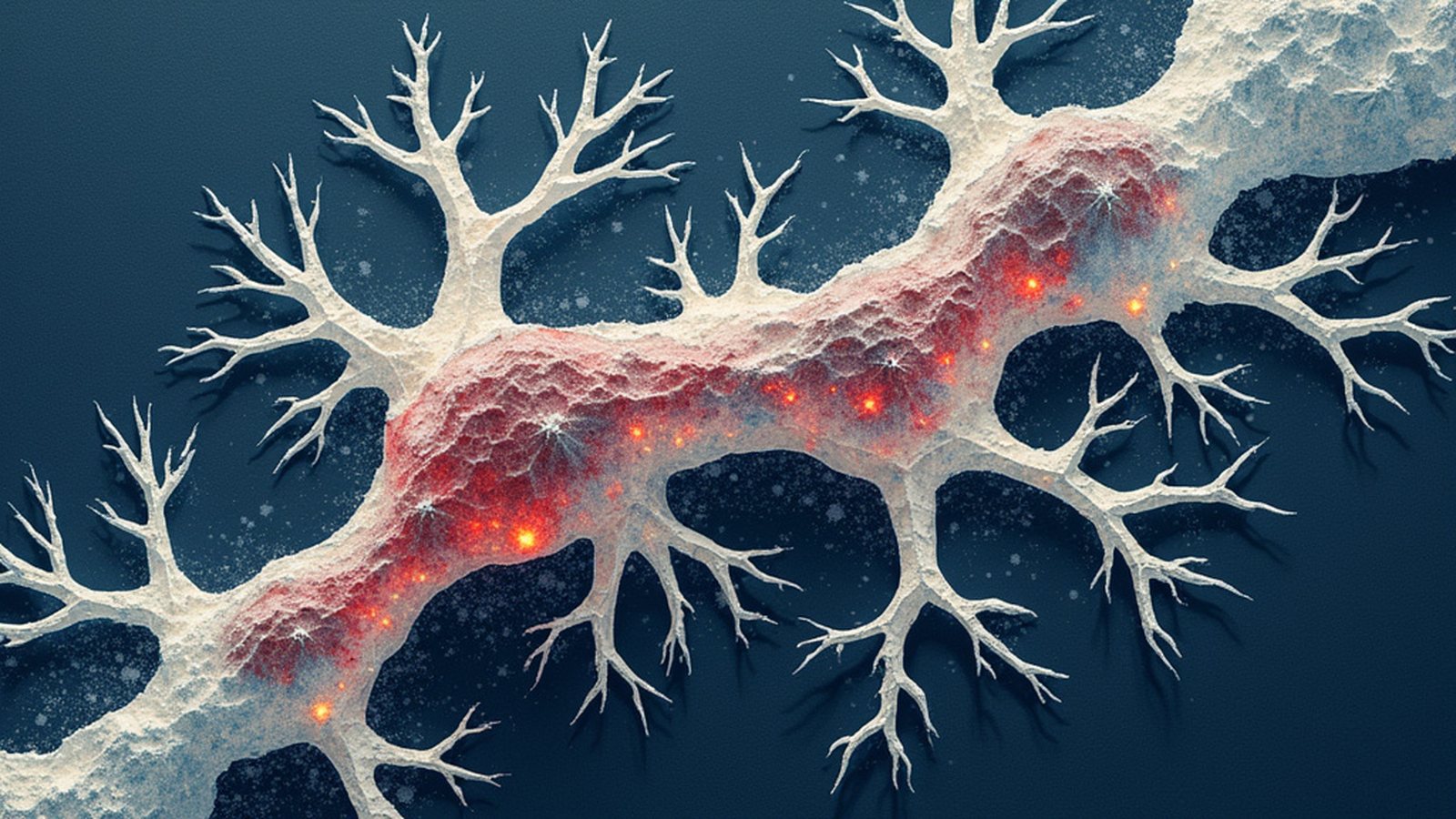
Google Research and the Stanford Accelerator for Learning launched "Polar Peaks" on Monday, an interactive lesson designed to teach students aged 11 to 14 how artificial intelligence maps the human brain. Google said the release marks the third installment in its AI Quests educational series.
Students navigate the game with in-game mentors to scan and map neurons, investigating a fictional character's memory loss. Players run data cleaning exercises and test AI models, focusing on the need for human oversight and critical thinking in technical workflows.
Connectomics research spanning more than a decade at Google inspired the quest. The discipline involves mapping neural networks inside the brain. Students who finish the quest hear from two scientists involved in Google's real-world neuroscience work, including the project that mapped the complete fruit fly brain, which is the largest brain map by neuron count to date.
Earlier entries in the AI Quests series covered flood forecasting and diabetic retinopathy eye disease screening, both drawn from existing Google Research initiatives. According to Google, users have completed more than 400,000 quests across the platform to date, with lessons translated into 10 languages.
Educators can access companion teaching modules through the Google AI Educator Series to incorporate the material into existing classroom lessons. Training modules for the first two quests are currently available, while Google plans to release the training module for Polar Peaks next month.
The broader AI Quests program received industry recognition earlier in 2026, winning a Webby Award for AI Education, Learning & Training as well as the Best Global K–12 Learning Solution title at the ETIH Innovation Awards.